How Can I Shoot In Different Weather Conditions?
When you spend enough time outside with a camera, you stop waiting for “perfect” conditions, and instead you start working with
what’s in front of you. Harsh sun, blowing snow, torrential rain, dust, or fog all brings its own challenges, but also its own kind of opportunity. The difference between coming home frustrated and coming home with something you’re proud of usually comes down to two things: how prepared you were, and how well you adapted.
It’s easy to look at a forecast and write the day off, but those are often the days that create the most interesting images. Flat light can
be great for details and color, storms bring drama and contrast, and sunlight can bring some of the most vibrant skies you can find. If you go into a shoot expecting to “salvage” something, you’ll shoot differently than if you go in looking for what the conditions are actually giving you.
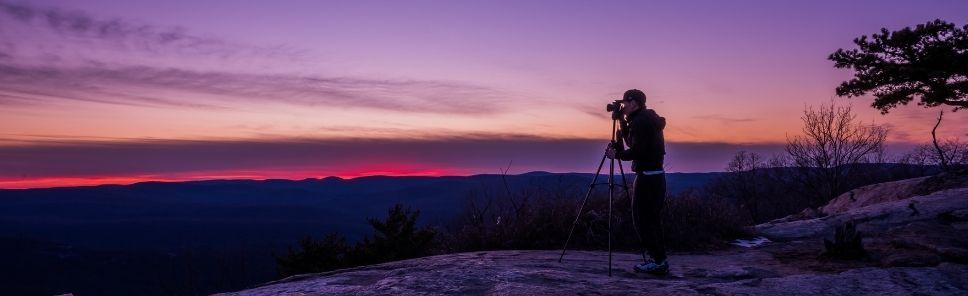
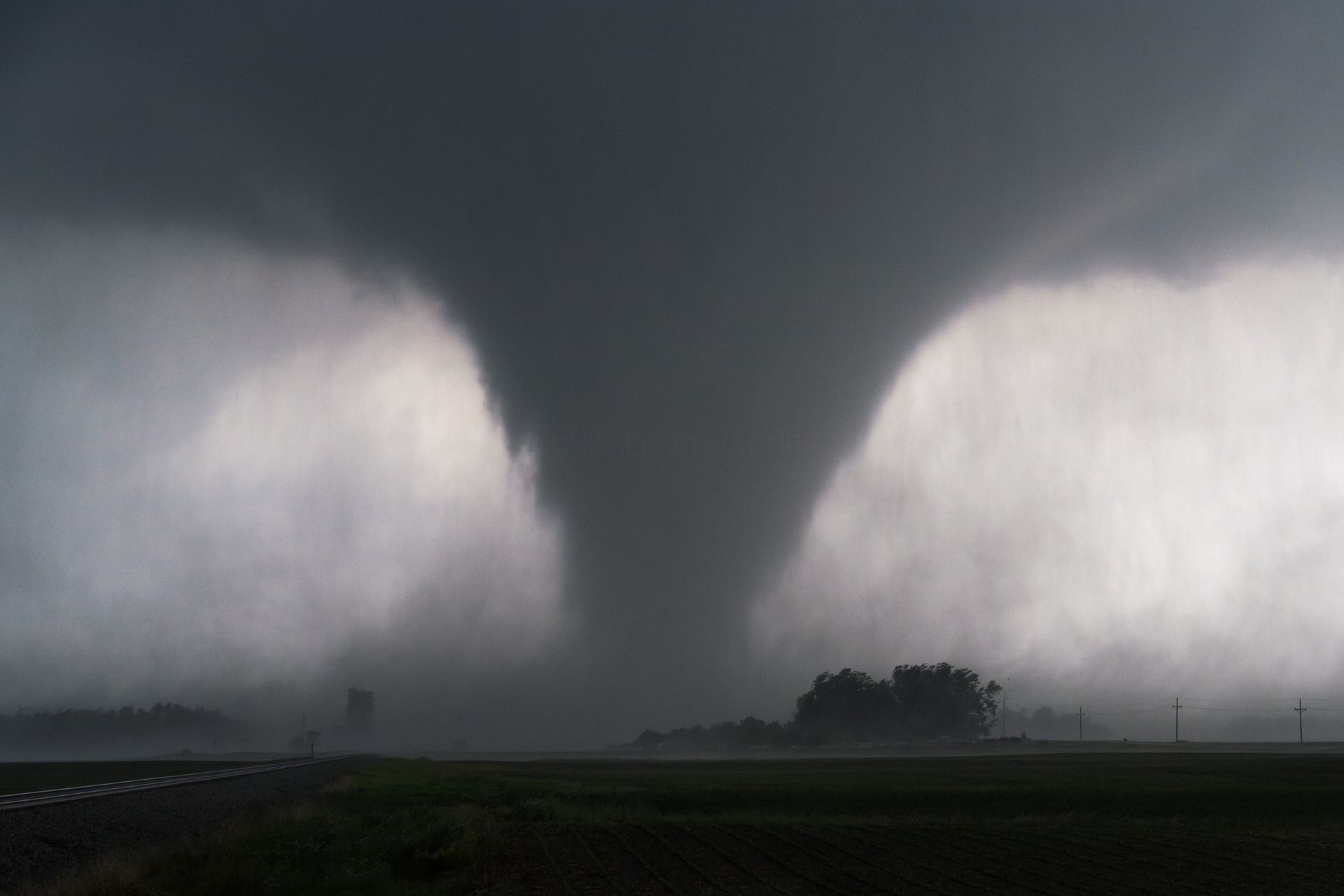
As a professional landscape photographer, I’ve had my fair share of experiences over the years of all sorts of conditions. I’ve chased
over
50 tornadoes in my lifetime, and although not all of them were photogenic, I found something from each chase that had me ending the day excited. When I’m not chasing, no weather condition is left unphotographed. I’m a fanatic for cloudy days, I crave warm sunsets, and any winter storm has me racing to the fresh snowpack for sunrises. Safe to say, the
weather has never stopped me - or my camera - from having a good time. Let’s talk about the gear I use to maximize my images, no matter the condition.
Gear-wise, you don’t need a massive setup, but you do need to think authentically about protection and reliability. Weather can turn
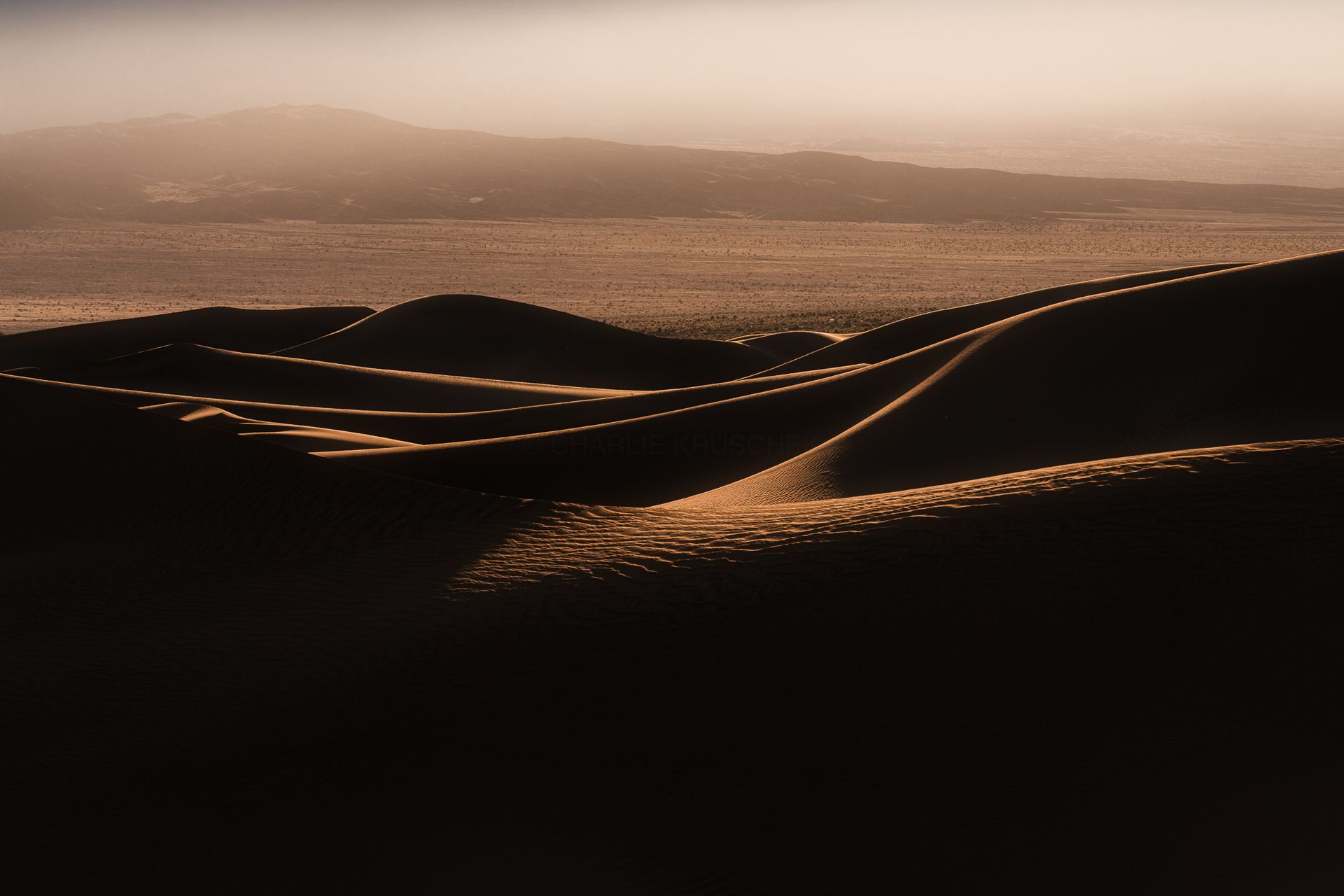
quickly, and the last thing you want is to be scrambling when it does. A solid rain cover or even something as simple as a microfiber cloth goes a long way, and I almost always have one accessible in my pocket, rather than deep in my backpack. Mist, ocean spray, and blowing dust can do just as much damage over time, so keeping your front element clean and dry matters more than people think. Just a few months ago I was in Death Valley under a high wind warning. Courtesy of both my microfiber and my HGX Protection Filter on the front of my lenses, I never once worried about scratching my gear, or worse yet, damaging my sensor. In fact, on the topic of wind, using a sturdy tripod is a must. This allows you to lower your setup, remain stable, find unique exposures, and slow down the shooting process.
An often overlooked or under appreciated tool is the backpack of choice. I’ve gone through multiple iterations of how I pack my gear,
but as someone who frequents air travel,
ProMaster’s Cityscape series has been a dream to fly with. This backpack can handle moisture, dirt, and being set down anywhere without concern, and at the same time, it holds all of my gear comfortably. This includes two full frame cameras, a
filter wallet, spare batteries, three lenses, and a tripod for the side pouch. It’s all there, ready to be accessed. On the topic of batteries, cold weather drains batteries faster than expected, so I keep
spares
on me at all times. And now on the topic of cold weather,
knit
photo gloves that still let you adjust settings make a huge difference.
Now I won’t dwell on just the gear. After all, from a shooting perspective, each type of weather changes how you approach your
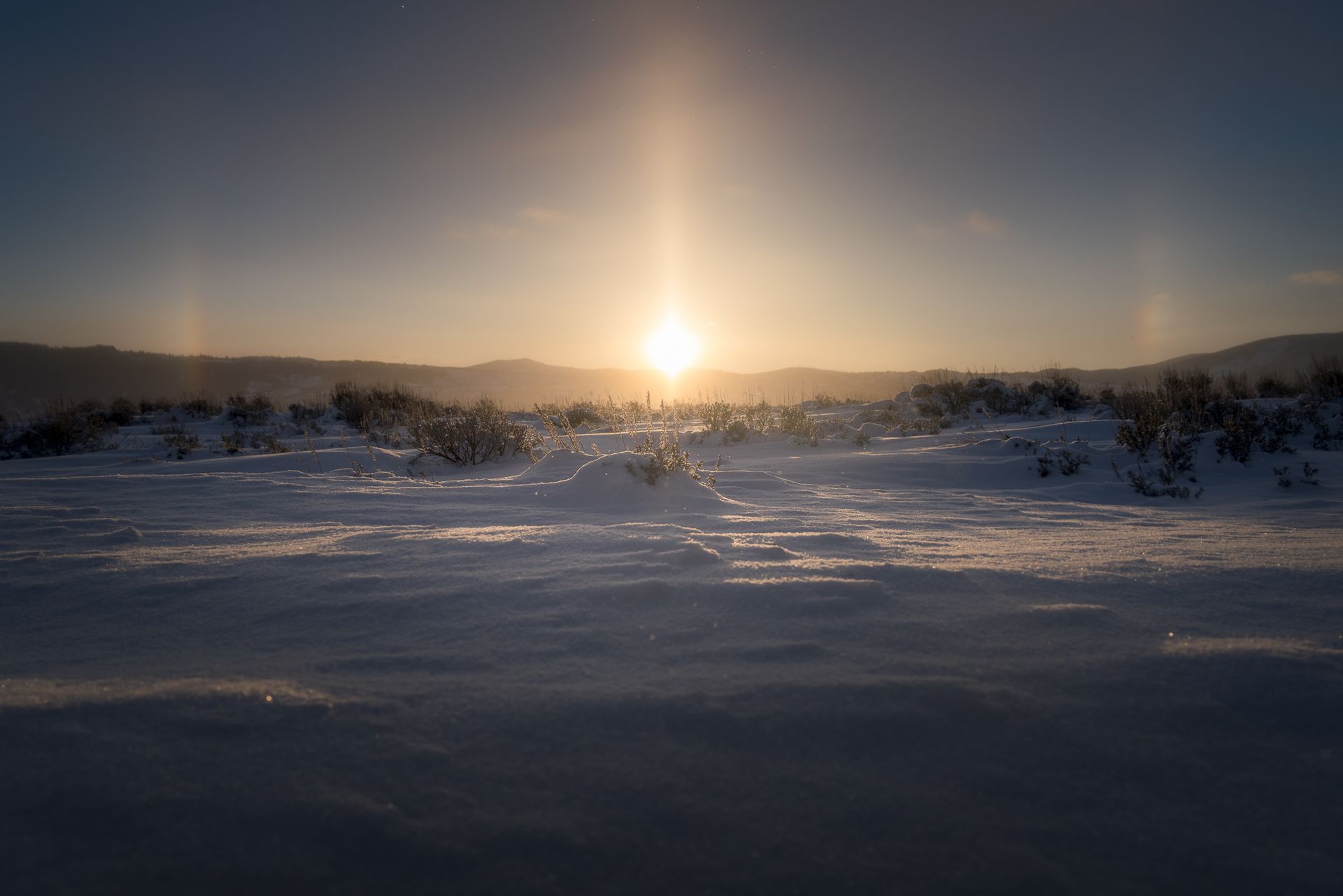
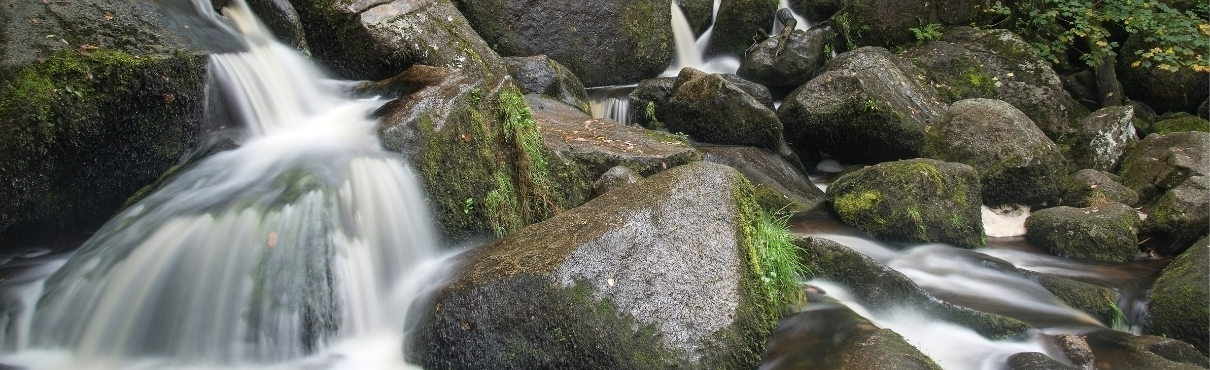
scenes and light. Bright, harsh sunlight is often avoided, but it’s incredibly useful if you lean into strong shadows, contrast, and simplified compositions. Overcast conditions are forgiving, with even light and rich color, making them ideal for details and textures. Rain and storms add depth through reflections, motion, and atmosphere, and slowing your shutter can help bring that scene to life. Snow can trick your camera into underexposing, so compensating exposure is key, but it also simplifies scenes beautifully and removes distractions. Fog naturally creates layers and separation, allowing you to focus on depth without needing complex compositions. My number one advice when using the weather to your advantage:
Capture the atmosphere, not the weather.
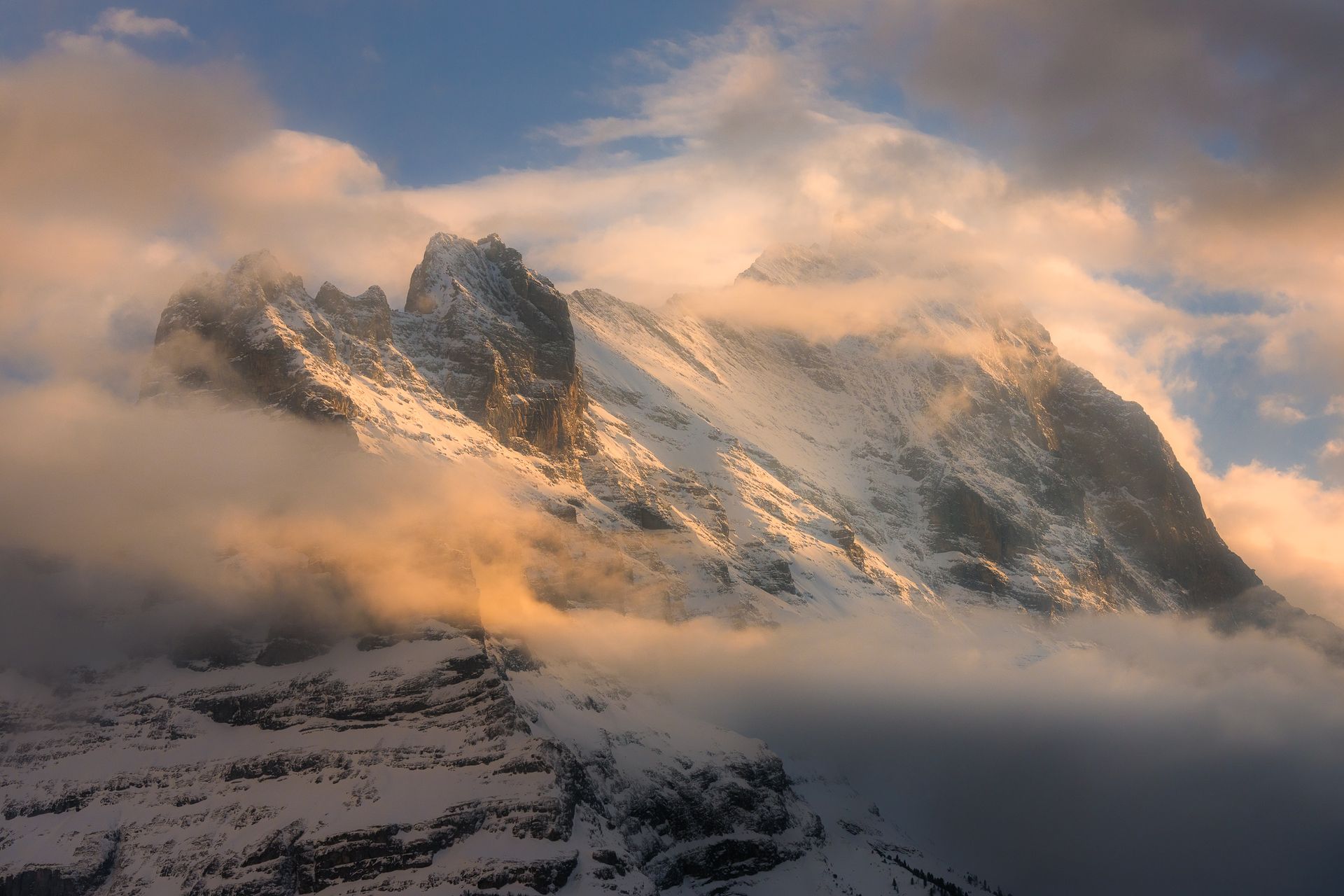
At the end of the day, shooting in all types of weather comes down to showing up and staying open to what’s possible. You won’t
always get the conditions you hoped for, but you’ll almost always get something worth working with if you’re prepared and willing to adapt. The more you lean into the unpredictability, ironically, the more consistent your results will become. From my years of chasing the worst weather on earth, the “bad” weather is often where the best images come from.
Recent POsts